

If you’re searching for how to remove water stains from wood — or simply how to remove water marks from wood without ruining the finish — the good news is most marks are fixable. A cloudy ring from a cold glass, a dark patch near a flower vase — neither has to mean permanent damage. This guide walks through exactly which method to use, based on whether your stain is white or black.
To remove water stains from wood, first check the color. White water stains on wood usually sit in the finish and respond to gentle heat — a hairdryer or warm iron over a cloth. Black water stains on wood mean moisture has reached the wood fibers, so you’ll likely need light sanding plus oxalic acid wood bleach. Always test in a hidden spot first.
- White ring or cloudy mark: gentle heat method first
- Black water stain on wood table: sanding + oxalic acid bleach
- Always: test in a hidden area before treating the visible surface
- Never: vinegar, strong heat, or steel wool on unidentified finishes
| Stain Type | What It Usually Means | First Safe Method | DIY Difficulty |
|---|---|---|---|
| White ring / cloudy mark | Moisture trapped in or under the finish | Gentle heat or dry cloth method | Easy–Medium |
| Fresh white water stain | Surface-level moisture mark | Hairdryer on low heat | Easy |
| Old cloudy white stain | Finish blush, wax haze or deeper moisture | Test finish first, then gentle method | Medium |
| Black water stain | Moisture entered wood fibers | Sand + oxalic acid wood bleach | Hard |
| Raised grain / peeling finish | Surface damage or wood swelling | Stop DIY and assess finish | Professional |
| Veneer / antique furniture | Thin surface layer or delicate finish | Avoid aggressive sanding | Professional |
Table of Contents
- White Rings vs Black Spots: How to Diagnose Your Stain
- Before You Start: Identify the Wood Finish Safely
- How to Remove White Water Stains from Wood
- How to Remove Black Stains from Wood
- Common DIY Myths That Can Damage Wood Finish
- Special Warning: Unfinished, Reclaimed and Veneer Wood
- How to Protect Wood Furniture from Water Stains
- Final Thoughts and Key Takeaways
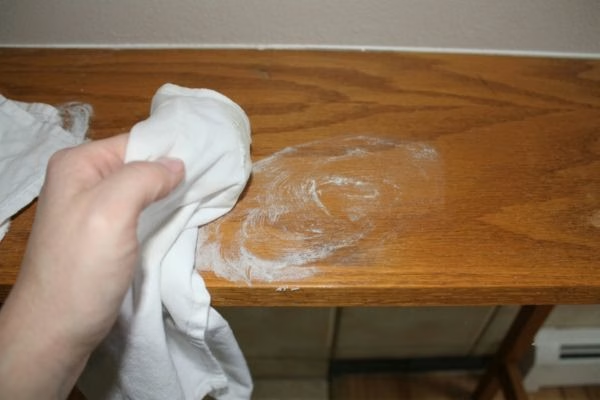
A white ring on a solid wood tabletop — usually fixable once you know whether it’s surface-level or deeper damage.
How to Remove Water Stains from Wood: White Rings vs Black Spots
Before treating either type of mark, you need to know which one you’re dealing with. Successful wood water stain removal depends on this first step — white rings and black spots form differently, and using the wrong method on either can make the damage worse.
White water stains on wood are typically moisture or condensation trapped inside the finish layer — not the wood itself. A cold glass left on a table for twenty minutes is the classic cause. The mark looks cloudy, milky, or hazy, and it usually lifts with gentle heat.
- Common causes: cold glasses, hot mugs, flower vases, damp cloths
- Appearance: white, cloudy, or hazy — never dark
Black water stains on wood mean moisture has pushed past the finish and into the wood fibers — a deeper, more serious problem. Oak, walnut, and other tannin-rich species react more strongly, sometimes turning dark through a reaction between tannin and trace minerals or metal.
If the finish is peeling, cracked, soft, or sticky — or you see raised grain or bubbling veneer — this is beyond a simple water ring. Stop DIY attempts and get a professional assessment first.
Water stains aren’t the only surface issue — scratches are just as common
⇒ Read more: How to Fix Scratches on Wood: 4 Methods for Cleaner Repairs
Before You Start: Identify the Wood Finish Safely
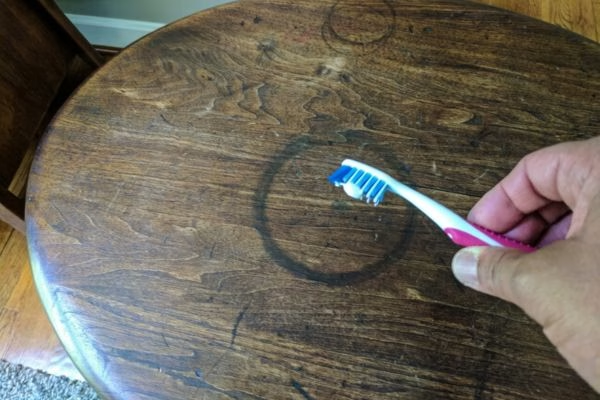
Always test on a hidden edge first — finishes react very differently to heat and solvents.
Lacquer, shellac, wax, oil, polyurethane, varnish, and hardwax oil all respond differently to heat, water, and friction. Good wood furniture care starts with knowing which finish you actually have before reaching for any remedy.
- Shellac is sensitive to alcohol-based cleaners.
- Lacquer can soften on contact with lacquer thinner.
- Polyurethane and varnish are more durable but still scratch if rubbed too hard.
If the finish becomes soft, sticky, or discolored after your test patch, stop and call a professional refinisher. For more on finish types, see our guide to the best finish for an oak dining table.
How to Remove White Water Stains from Wood
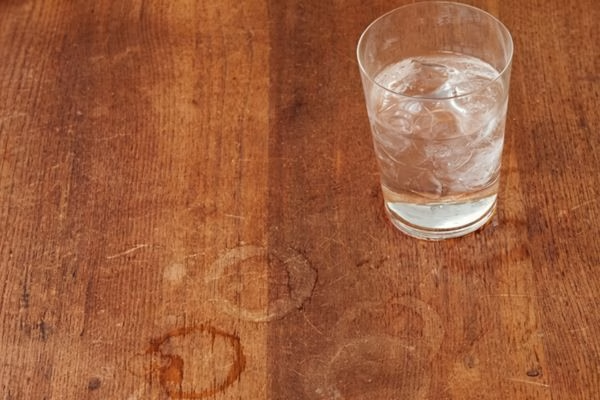
White rings on wood furniture respond well to gentle methods. Start with the least aggressive option and move on only if the stain doesn’t improve.
How to Remove White Rings from Wood Table Surfaces: Air-Dry First
Wipe the surface dry with a soft cloth, then leave the furniture in a well-ventilated, dry spot away from direct sunlight. Many fresh white stains fade naturally as trapped moisture evaporates — often the simplest wood water stain removal step of all.
If there’s no improvement after 24–48 hours, move to the hairdryer method below.
⇒ Cleaning wood properly before a move also helps reveal any stains worth treating first: How to Clean Furniture Before Moving
How Do You Remove Water Rings from Wood with a Hairdryer?
Set the hairdryer to low or warm heat and keep it moving — never hold it still over one spot. Check the area every 20–30 seconds and stop the moment the finish feels hot, soft, or sticky.
Lifting veneer, heat-sensitive lacquer, or antique furniture.
How to Remove Stains from Wood Furniture with an Iron and Cloth
Place a clean, dry, white cotton cloth over the stain. Set the iron to low heat with steam off, press for 3–5 seconds, then lift and check. Repeat slowly if the mark is fading.
Never drag the iron, never use a damp cloth, and avoid this on high-gloss or antique finishes without testing first.
Does Toothpaste Remove Water Marks on Wood Furniture?
Use plain white toothpaste — never gel. Rub gently with the wood grain using a soft cloth, then wipe clean immediately and check the sheen.
Avoid on high-gloss lacquer, thin veneer, or dark surfaces unless already tested.
How to Remove Black Stains from Wood
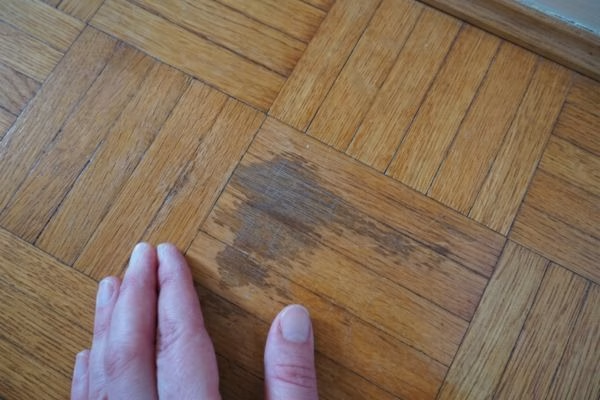
Black water stains on wood need a more involved process: sanding, bleaching, and refinishing.
A black water stain on a wood table is more serious than a white ring — it usually means water has soaked past the finish into the wood fibers. Tannin-rich woods like oak react more intensely, especially near iron or other metals.
Sanding the Stained Area Before Bleaching
Use fine-grit sandpaper to open the finish over the stain only, sanding in the direction of the grain and increasing grit only if needed.
Veneer’s top layer is very thin and can be sanded through in seconds. If unsure whether your piece is solid wood or veneer, avoid deep sanding.
How Do You Use Oxalic Acid Wood Bleach for Water Stains?
Mix and apply oxalic acid wood bleach exactly per the product instructions. Apply locally, let it react, then let the wood dry fully before continuing.
- Wear gloves and eye protection
- Work in a well-ventilated space
- Never mix with chlorine bleach or other cleaners
Skip this on antiques or thin veneer unless you have direct bleaching experience — uneven color is a real risk.
How to Fix Water Damaged Wood Finish: Refinish to Match
Sand the area smooth, apply color-matching stain if needed, then recoat with a finish matching the original — oil, hardwax oil, lacquer, polyurethane, or varnish.
For large tabletops, a full refinish often gives a more even result than patching one spot.
⇒ Read more: How to Polish Wood Furniture at Home
Common DIY Myths That Can Damage Wood Finish
Social media is full of “miracle fixes” for water marks on wood furniture. Some of these popular tips do more harm than good.
Reality: Food oils can temporarily mask a white stain but don’t repair the finish. Over time, oily residue attracts dust and can smell unpleasant — skip this on furniture you care about.
Reality: Vinegar’s acidity can dull, soften, or damage lacquer, shellac, wax, and high-gloss finishes if used too often or left on too long.
Reality: Magic erasers can dull sheen with repeated use, and steel wool can leave tiny metal particles that react with tannin-rich woods like oak — sometimes creating new black stains.
Special Warning: Unfinished, Reclaimed and Veneer Wood
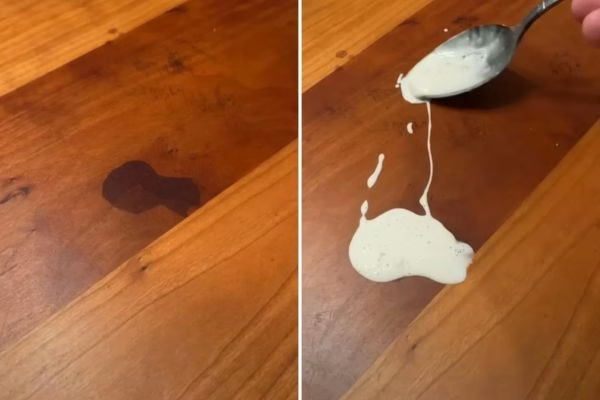
Unfinished, reclaimed, and veneer surfaces need a gentler approach than standard finished solid wood.
Three furniture types deserve extra caution before trying any method above:
- Unfinished wood absorbs water fast — water-based treatments can spread the stain deeper and trigger raised grain.
- Reclaimed wood carries natural patina that sanding or bleaching can permanently erase.
- Veneer furniture has a very thin top layer that aggressive sanding can sand straight through.
Choosing between wood types for your next purchase? See solid wood vs engineered wood for how each handles moisture over time.
How to Protect Wood Furniture from Water Stains
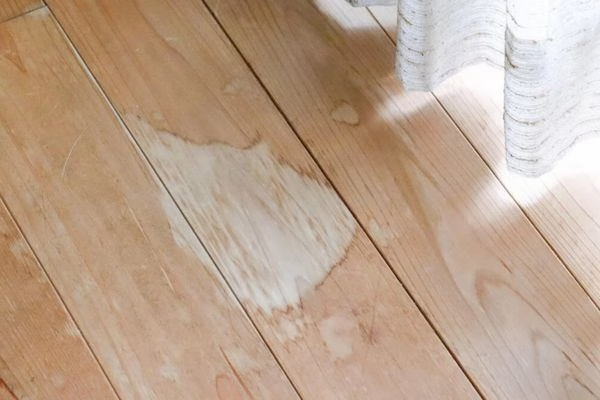
The easiest way to deal with water stains on wood furniture is to prevent them. A few simple habits stop most marks before they start.
- Use coasters under cold and hot glasses alike
- Use a trivet under hot pots, mugs, or teapots
- Blot spills immediately — never rub a fresh spill
- Maintain your furniture’s finish periodically
How to Remove Water Stains from Wood: Final Thoughts
If you remember one thing about how to remove water stains from wood, make it this: diagnose before you treat. White rings sit in the finish and respond to gentle heat. Black stains run deeper and usually need sanding, oxalic acid bleach, and a careful refinish.
Skip the social media “miracle fixes” on furniture you care about. Test in a hidden spot, start gentle, and stop immediately if the finish changes color, softens, or cracks.
Key Takeaways
- Diagnose first: white rings sit in the finish; black stains reach the wood fibers
- White stains: air-dry, then hairdryer, then iron-and-cloth, then toothpaste paste
- Black stains: sand locally, apply oxalic acid wood bleach, then refinish to match
- Always test first on a hidden corner before treating the visible surface
- Know your limits: veneer, antiques, and peeling finishes call for a professional
A water stain doesn’t have to mean the end of a beautiful wood piece. With the right diagnosis and a patient approach, most marks lift without compromising the finish.
FAQ — Water Stains on Wood, Answered
Click each question to read the full answer.
Partner with a Trusted Manufacturer
Moc Luc — Flexible OEM/ODM Partner for Solid Wood Furniture Brands
Whether you’re sourcing solid wood furniture finished for durability against everyday spills, or need a manufacturing partner who understands finish performance from the ground up, Moc Luc supports OEM/ODM projects with controlled finishing processes, technical documentation, and consistent quality control for retail, hospitality, and residential furniture lines.